
By Richard Hakim/Penplusbytes
Uganda’s
general elections represent a pivotal moment in the East African nation’s
political history, with presidential and parliamentary polls taking place
concurrently. The incumbent, President Yoweri Museveni, who has been in power
since 1986, is seeking a seventh term, extending what has already been nearly four decades of rule.
Under the current constitution, term and age limits were abolished in prior amendments, allowing Museveni, now in his 80s, to continue his leadership beyond traditional democratic constraints.
Official figures show that over 21.6 million Ugandans are registered to vote, and the election will decide both the
presidency and all 529 parliamentary seats, with outcomes that will shape the
country’s governance and political trajectory for years to come.
Multiple
candidates are contesting, but the race is widely viewed as dominated by the
contest between Yoweri Museveni and his main opponent, pop star Robert
Kyagulanyi Ssentamu (better known as Bobi Wine), who leads the National Unity
Platform (NUP) and draws strong support from younger and urban voters eager for
change.
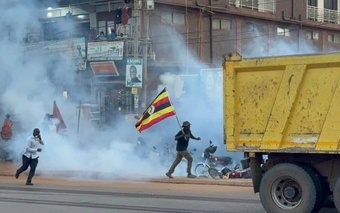
The campaign period leading up to today’s vote has been fraught with tension, heightened security, and restrictions that have alarmed human rights organizations and international observers alike.
Security forces, including
soldiers and the special forces command, have been prominently deployed,
especially in Kampala and surrounding regions, to monitor public spaces and
opposition activity, a presence that critics argue could intimidate voters and
opposition supporters.
Authorities
have also imposed a nationwide internet shutdown in the days immediately preceding polling day, a move government officials claim is aimed at
curbing misinformation and potential unrest but one that independent groups and
digital rights advocates warn undermines transparency, freedom of expression,
and the ability of citizens to access timely election information. In past
elections, similar shutdowns and communication restrictions have disrupted not
only political communication but also economic activities, fueling deeper
concerns about electoral integrity.
The
opposition campaign, led by Bobi Wine, has been characterized by persistent
challenges, including violent disruptions of rallies, arrests, and alleged
harassment of his supporters by security forces. Bobi Wine himself has at times
appeared in public donning protective gear to guard against tear gas and security force actions,
symbols of the fraught environment in which he has campaigned.
The
UN Human Rights Office and other observers have documented what they describe
as widespread repression, including detentions, abductions, and the targeting
of civic groups and journalists just days before the election, with some rights
organizations being ordered to suspend operations entirely. These developments
have intensified debates around whether the electoral process is being
conducted on a level playing field, with detractors arguing that legal and
extralegal pressures on opposition actors significantly skew the contest in
favor of the incumbent.
Despite the challenging environment, many Ugandans, particularly young people who constitute a large segment of the electorate, are deeply motivated to participate, driven by concerns over unemployment, lack of economic opportunity, and a desire for political renewal.
While Museveni retains strong
support, especially in rural areas where his long tenure has translated into
entrenched political networks and patronage systems, the energy around Bobi
Wine’s movement reflects a generational shift that has become impossible for
both domestic and international observers to ignore.
Beyond
the presidency, control of parliament will also be important, as it affects the
government’s ability to enact policy and oversee the executive branch. The
presence of multiple smaller candidates and parties adds complexity to the
parliamentary races, though the dominance of the National Resistance Movement
(NRM) has historically limited major shifts in legislative power.
Looking
ahead, the outcome of the election, whether Museveni secures another term or
whether opposition gains are significant, will have substantial implications
for Uganda’s democratic trajectory and regional politics in East Africa. If
Museveni is re-elected, as many analysts anticipate, questions around
succession and internal regime dynamics will intensify, especially given
speculation surrounding his son’s prominence in the military and political
sphere.
Conversely, meaningful gains by the opposition could signal a dramatic reconfiguration of Uganda’s political landscape, though the credibility of vote counting and reporting processes will be closely scrutinized under conditions of restricted communication and heightened security presence.
Ultimately, today’s vote is seen not just as a regular election but as a referendum on decades of governance, civil liberties, and the possibility of democratic renewal in a nation grappling with both deep political divides and aspirations for a more inclusive future.
Africanelections.org
 Take Voters' Compass